


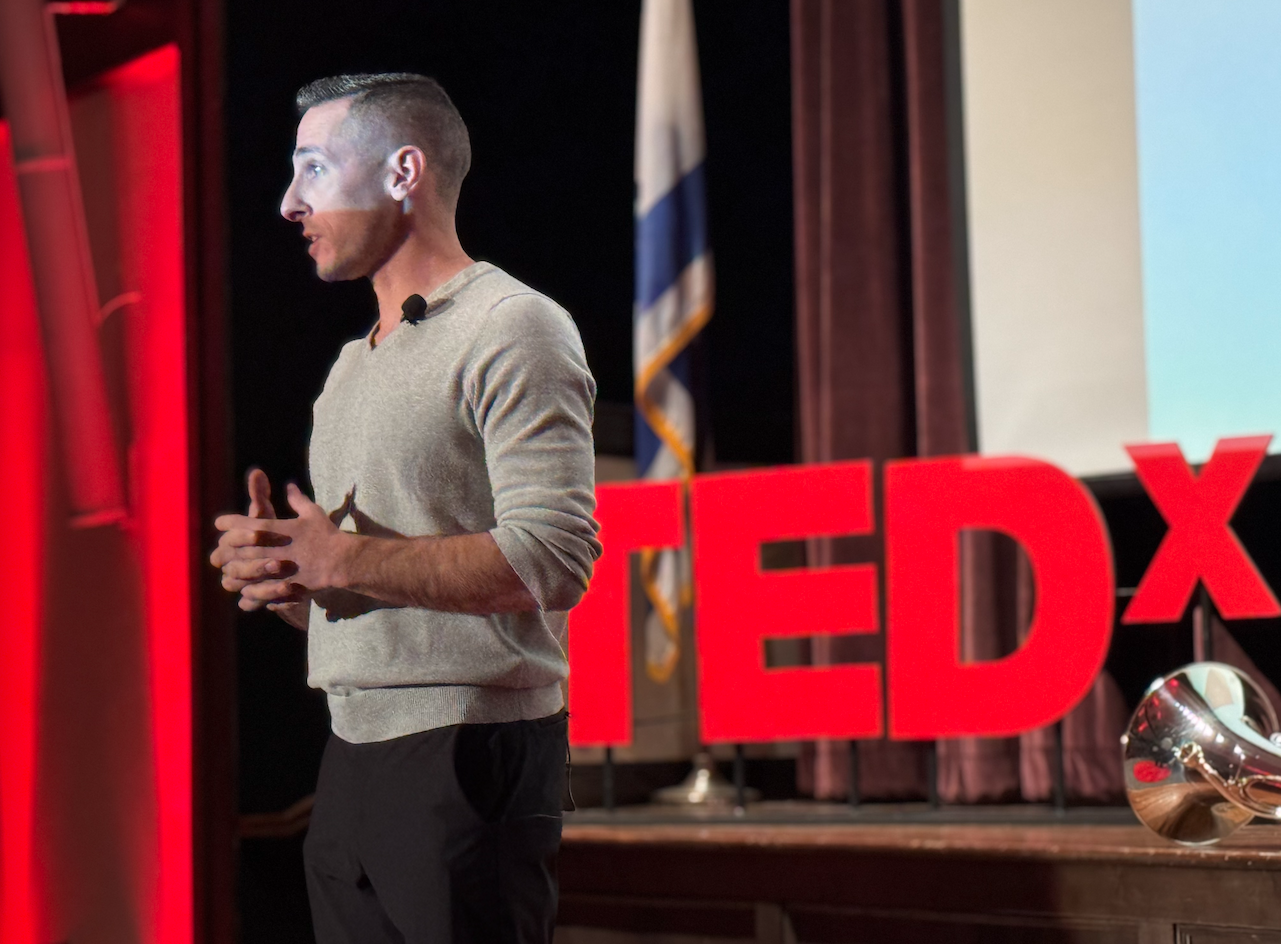
Youth Speaker on Long Island Who Actually Connects With Students
If you are searching for a youth speaker on Long Island, you are probably not just trying to check a box on the school calendar. You are looking for something that genuinely helps students. Something that feels relevant to what they are dealing with right now. Something that goes beyond a loud motivational speech and actually gives students tools they can use when things get hard.
That is exactly why I do this work.
As a Long Island-based youth speaker, I partner with middle schools and high schools across the island to deliver programs that focus on decision-making, emotional regulation, confidence, and mental wellness. The goal is not hype. The goal is clarity, ownership, and practical skills students can carry with them long after the assembly ends.
Why Youth Speakers Matter So Much on Long Island Right Now
Schools across Long Island are navigating a very real shift in what students need. Academics still matter, but emotional pressure, anxiety, and identity struggles are showing up more than ever.
Many schools are seeing:
-
Higher levels of anxiety and emotional overwhelm
Students are juggling academics, extracurriculars, social pressure, and constant digital noise. Without tools to manage emotions, even small setbacks can feel overwhelming. -
Intense pressure around grades, college, and the future
For many Long Island students, success feels narrowly defined. This creates fear of failure and a tendency to tie self-worth to outcomes that are often outside their control. -
Constant comparison through social media
Students are measuring themselves against curated highlight reels all day long. This makes it harder for them to feel grounded, confident, or satisfied with their own progress.
A strong youth speaker helps schools address these issues proactively by giving students language, frameworks, and perspective before problems escalate.
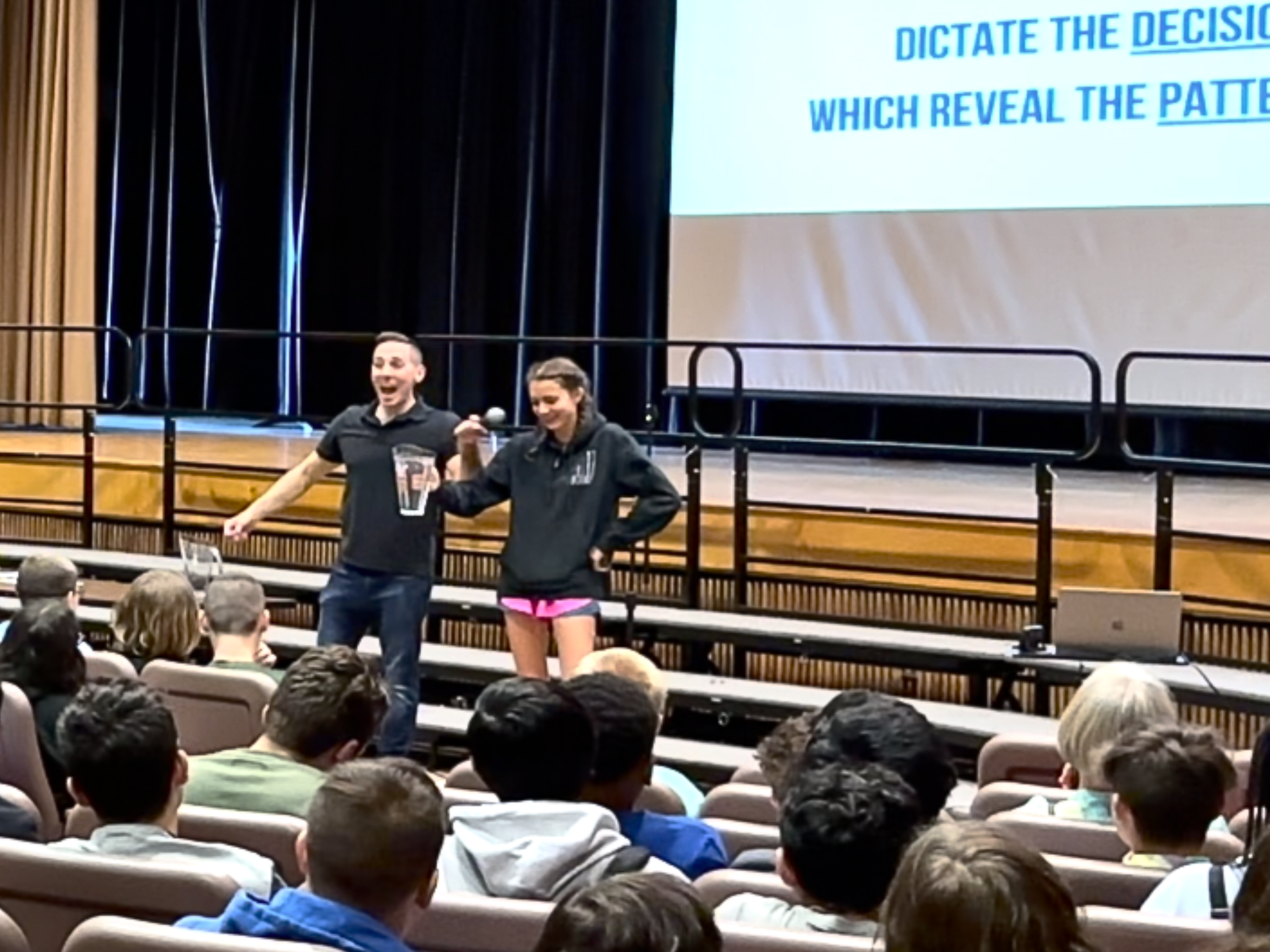
What Actually Makes a Great Youth Speaker for Long Island Schools
Not every speaker is the right fit for Long Island students. Over time, a few things have become very clear.
Local Understanding Matters
Students can tell when someone understands their world. Being local means I am familiar with the pace, expectations, and culture of Long Island schools. That familiarity helps students trust the message faster and lean in instead of tuning out.
Energy Is Not Enough
High energy can grab attention, but attention does not equal impact. Students need more than motivation. They need structure. They need clear ways to slow down, think through decisions, and respond instead of reacting when emotions spike.
Schools Need Alignment, Not One-Off Inspiration
Administrators and counseling teams want programs that support what they are already working toward. A youth speaker should complement existing SEL goals, wellness initiatives, and school values rather than operate in isolation.

Topics That Consistently Resonate With Long Island Students
The programs I deliver are shaped by what students openly talk about and what adults often notice quietly. Common focus areas include:
-
Decision-making under pressure
Students learn how to slow down the moment between impulse and action so emotions do not make decisions for them. -
Managing emotions before they spill over
We talk about how emotional overload builds and what students can do early, not once they are already at a breaking point. -
Separating self-worth from grades, sports, and acceptance letters
This is especially important on Long Island, where external achievement can feel like everything. -
Building a healthier relationship with phones and social media
The focus is not shame or restriction. It is awareness, boundaries, and intentional use. -
Confidence rooted in values instead of comparison
Students learn how knowing what they value makes decisions clearer and pressure easier to manage.
These topics are grounded in real stories, relatable examples, and simple frameworks students can remember.
Flexible Options That Fit Real School Schedules
Every school operates differently, which is why flexibility matters. Programs can be customized as:
-
School-wide assemblies that set a shared tone and message
-
Grade-level presentations tailored to developmental stages
-
Small-group workshops for deeper discussion and application
-
Leadership or peer mentor sessions for students in influence roles
-
Optional classroom or digital follow-up resources to reinforce the message
This allows schools to choose something realistic and effective without overloading staff or students.
What Others Are Saying…
An insightful view on human emotions and conditions. Kevin’s charisma has charmed and inspired the students of CHS including myself! – Sarah Park (Social Worker)
His ability to connect with students was truly remarkable. Kevin brought such energy to the room and had the students in the palm of his hand! – Tierney King (NCSL Program Director)
It was very inspiring, and it was a great way to teach us about how your decisions affect your life. – Alessia (Student)
Why Many Schools Choose a Local Youth Speaker on Long Island
Working with a local youth speaker comes with practical benefits, but the bigger advantage is relationship-building.
-
Scheduling is easier and more flexible throughout the year.
-
Travel costs stay reasonable, which matters for tight budgets.
-
Programs feel more relevant because examples reflect students’ real environment.
-
Schools can build continuity by bringing the speaker back rather than starting from scratch each time.
Many Long Island schools begin with one assembly and later expand into workshops, leadership sessions, or ongoing wellness support.
Looking for a Youth Speaker on Long Island?
If you are a principal, guidance counselor, student assistance coordinator, or administrator searching for a youth speaker on Long Island, I would love to talk.
My goal is not to impress students for an hour.
My goal is to help them leave with clearer thinking, steadier emotions, and a stronger sense of ownership over their choices.
If that sounds like the kind of impact you want for your students, the next step is simple. Reach out, start the conversation, and see if the program feels like the right fit for your school community.